


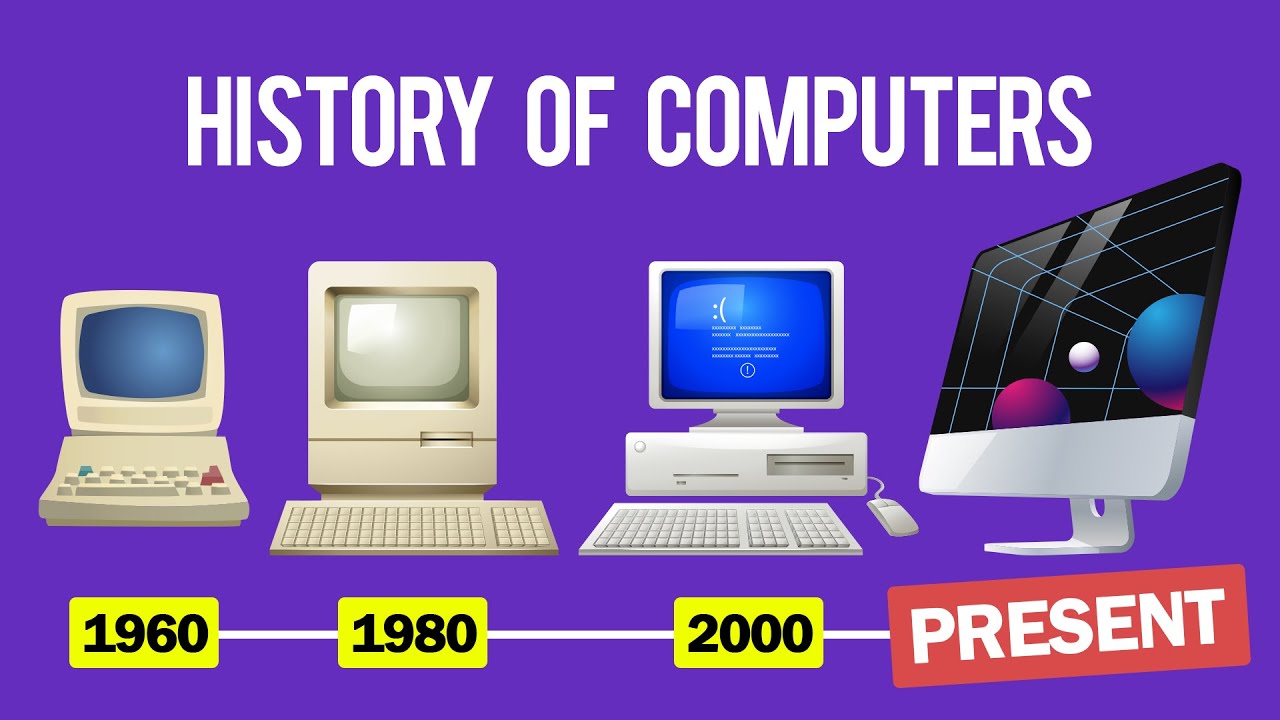
Conceptual illustration of the evolution of websites, created with AI.
A business website gives potential customers a place to understand your offer, check your credibility and take the next step. With thoughtful website design, useful content and a clear enquiry process, it can support everything from discovery to a booking, quote request or purchase.
But websites did not begin as sales tools. They started as a way to share information. Understanding that history reveals something useful for any business planning a new website: the technology has changed dramatically, but helping people find what they need is still the job.
A brief history of websites: how did the web begin?
In 1989, Tim Berners-Lee proposed the World Wide Web while working at CERN. His goal was to make information easier to share between researchers. The web connected documents through links, allowing people to move between related information.
By the end of 1990, the first web browser and server were running at CERN. In 1991, the web began reaching people beyond the organisation. The first website explained the World Wide Web project itself. On 30 April 1993, CERN released its web software into the public domain, helping the technology spread. Sources: CERN’s history of the web and short history.
The internet and the web are related, but different. The internet is the network that connects computers; the web is one way we use that network, through browsers, pages and links.
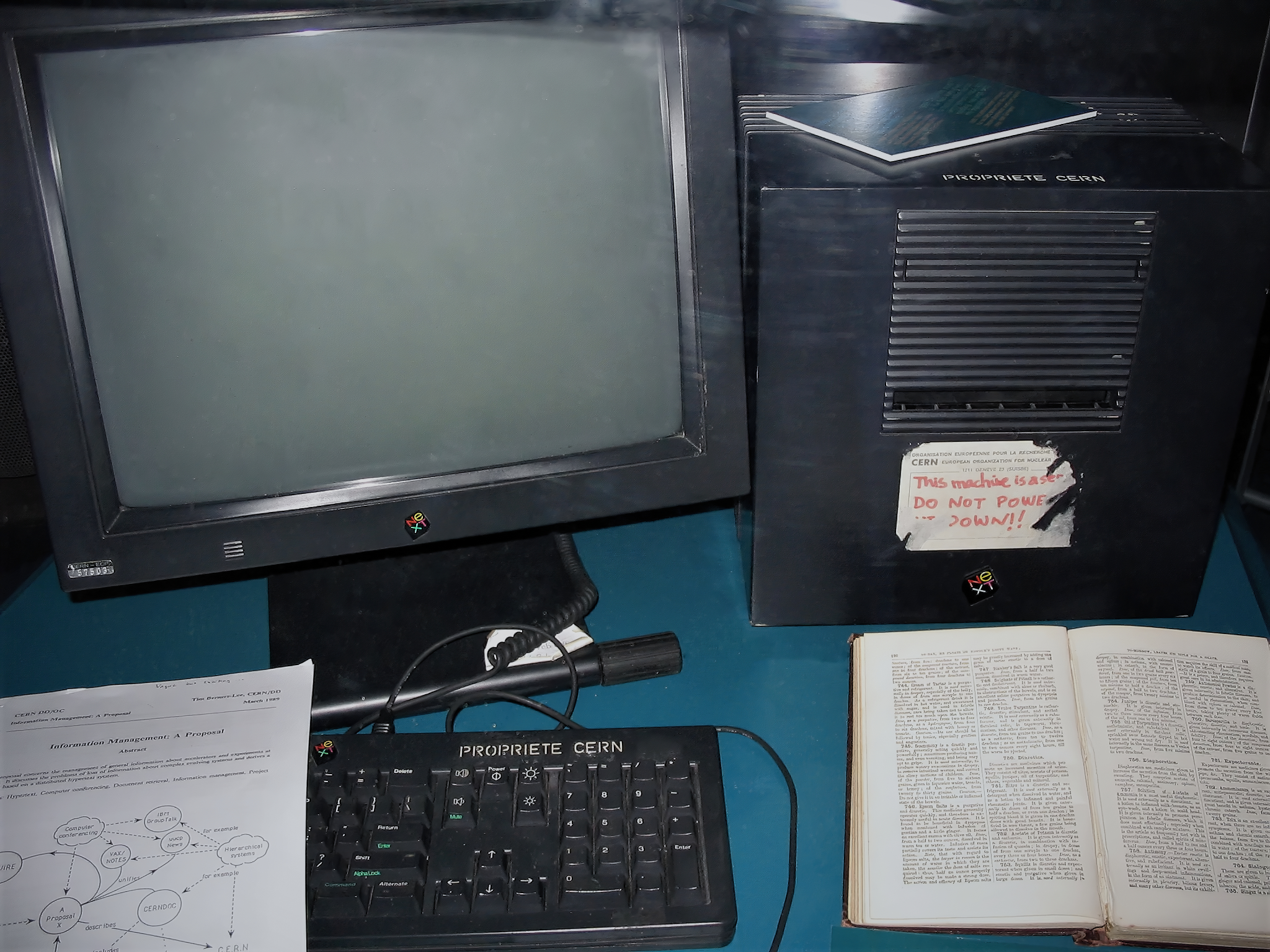
Photo: First Web Server, Coolcaesar, via Wikimedia Commons, CC BY-SA 3.0.
Early websites mostly presented information. Over time, they became places to shop, publish, book appointments, use software and communicate. Today, a business website can introduce a company and help customers complete much of the buying process in one place.
What are websites used for today?
A website is a collection of related pages and resources available at a web address. For a business, its purpose depends on what customers need to do.
| Website type | Main purpose | Useful customer action |
|---|---|---|
| Business or service website | Explain services and establish trust | Request a quote or consultation |
| Landing page | Present a specific offer or campaign | Submit an enquiry or book |
| Ecommerce website | Sell products online | Complete a purchase |
| Portfolio website | Show relevant work and expertise | Discuss a project |
| Booking website | Make appointments easier to arrange | Reserve a time |
Social media can introduce people to your business. Your website gives them somewhere to explore services, compare options and contact you without searching through posts. It also lets you organise your content, customer journey and enquiry process around your own business goals.
How is a business website created?
Professional website development starts with a business question: what should this website help customers do?
1. Define the audience and goal
Identify your ideal customer, their main questions and the action you want them to take. A consultant may need qualified consultation requests. A shop needs product purchases. Those goals require different pages and features.
2. Plan the pages and content
Build the structure around customer decisions. A service business might need a homepage, individual service pages, an about page, relevant projects and a contact page. Each page should have a clear purpose.
Write the core message before finalising the design: who you help, what you offer, why someone should trust you and what happens next.
3. Design for real visitors
Web design brings together layout, typography, imagery and navigation. Customers should be able to read the content, compare options and use buttons comfortably on a phone as well as a computer. Accessible labels, readable contrast and keyboard-friendly navigation help more people use the site.
4. Choose the platform and develop the site
A website builder can suit a straightforward site. A content management system can help a team publish regularly. An ecommerce platform supports product catalogues and checkout. Custom development can suit specialised features or integrations.
The right choice depends on functionality, budget, ongoing costs and who will update the website. HTML provides page structure, CSS controls presentation and JavaScript enables interactive behaviour. Many platforms handle much of this behind the scenes.
5. Test, launch and maintain
Before launch, test forms, mobile layouts, links, booking flows and purchases where relevant. Check that enquiries reach the right person and that important pages are available to search engines. After launch, keep content accurate, maintain the platform and review how visitors use the site.
How can a website bring more sales?
A website supports sales by connecting a relevant offer with the right visitor and making the next step clear.
Imagine someone searching for a kitchen renovation company. They land on a page explaining the service, see relevant completed projects, learn which areas the business serves and find a quote form. The page answers the questions that might otherwise stop them from getting in touch.
For a service business, the journey often looks like this:
Relevant visitor → clear offer → credible evidence → enquiry → sales conversation.
For an online shop, it might move from a product page to checkout and payment. In both cases, the website works alongside pricing, the quality of the offer and customer service. More traffic alone does not guarantee more sales.
How to attract visitors to your business website
Search engine optimisation
SEO helps search engines understand your pages and helps potential customers discover them. Start with useful service pages and articles that answer questions buyers actually ask.
For a web design agency, topics might include “how much does a business website cost?”, “website builder or web designer?” and “how to choose a web development agency”. These questions connect website research with a possible buying decision.
Use descriptive titles, clear headings and links between related pages. Google’s SEO Starter Guide recommends useful, well-organised content and explains that search improvements can take time.
Local visibility
If you serve customers in specific areas, explain those service areas accurately. Keep your business details consistent and maintain a Google Business Profile if your business is eligible. Location content should provide useful local information rather than repeat the same text with different city names.
Paid advertising
Search and social advertising can bring visitors to a specific offer. Match the landing page to the advertisement: someone who clicks an ad for an ecommerce website should immediately find information about that service. Evaluate campaigns by qualified enquiries and sales as well as clicks.
Social media, email and referrals
Share useful advice, project breakdowns and answers to customer questions, then link to the relevant page. Send email updates to people who have agreed to hear from you. Partnerships and recommendations can also introduce your business to people who already have a reason to trust it.
How to convert website visitors into leads
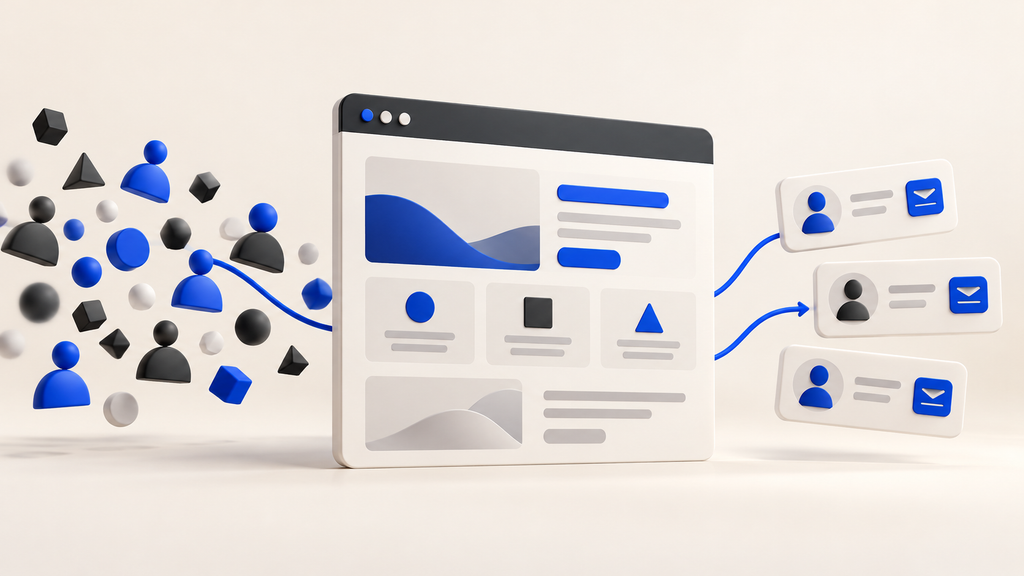
Conceptual illustration of a website enquiry journey, created with AI.
A lead is someone who expresses interest and gives you a way to continue the conversation. To generate better enquiries, make these decisions easier:
- Explain the offer immediately. State what you do, who it is for and the benefit customers can expect.
- Show relevant proof. Use real projects, genuine reviews and clear examples of your work.
- Answer buying questions. Explain the process, scope, price factors and next steps.
- Use a specific call to action. “Request a website quote” tells visitors more than “Learn more”.
- Keep forms proportionate. Ask for enough information to respond usefully without making the first enquiry feel like an application.
- Offer practical contact choices. A form, email or Instagram message can accommodate different preferences.
Measure completed enquiries rather than only button clicks. A useful lead conversion rate is completed enquiries divided by website sessions, multiplied by 100, using the same reporting period. For example, 20 enquiries from 1,000 sessions gives a 2% rate. This is an illustration, not a benchmark or a promised result.
Then check lead quality: how many enquiries become suitable opportunities and paying customers? That tells you more about business performance than traffic alone.
What about AI SEO and AI search results?
AI search visibility starts with information that is easy to find, understand and verify. Explain your services clearly, answer questions directly and support factual claims with reliable sources. Make your business identity and contact details consistent across your website and other profiles.
For Google’s AI Overviews and AI Mode, Google says established SEO practices still apply and that no special AI markup is required. Pages must be indexed and eligible to appear with a search snippet to be considered as supporting links. Inclusion is not guaranteed. Source: Google’s AI features guidance.
Clear definitions, useful comparisons and concise answers help readers understand your content. They also make information easier for systems to interpret, although there is no universal method that guarantees mentions across AI platforms.
How to choose a web development agency
Choose an agency that can explain how its work supports your business goals. Ask to see relevant projects and discuss the thinking behind the design.
Before agreeing to a proposal, clarify:
- Which pages, features, content and integrations are included?
- Who owns the domain, website files and accounts?
- Can your team update the website after launch?
- What SEO work, testing and enquiry tracking are included?
- What ongoing fees and maintenance responsibilities should you expect?
- How are revisions, approval and launch handled?
A useful proposal makes the scope understandable and gives you a realistic view of the investment.
Frequently asked questions about business websites
How much does a business website cost?
The cost depends on page count, design requirements, content, ecommerce features and integrations. Ask for an itemised quote that separates the initial build from recurring costs such as hosting, subscriptions and maintenance.
How long does it take to create a website?
The timeline depends on scope, content readiness, review rounds and technical requirements. Ask for milestones covering planning, design, development, testing and launch, including what the agency needs from you at each stage.
Should I use a website builder or hire an agency?
A builder can suit a simple site if you have time to create and maintain it. An agency can be useful when you need help with strategy, design, content, integrations or a more complex customer journey.
Can a new website rank on Google immediately?
A new website can become eligible for search, but publication does not guarantee indexing or strong rankings. Competition, content quality, technical accessibility and the wider reputation of the site affect visibility.
Do I need a website if I already use Instagram?
Instagram can help people discover your business. A website gives them a structured place to explore services, see your work and enquire or buy. The two can work together throughout the customer journey.
Let’s build your business website with Weblaunch
Weblaunch designs and develops landing pages, business websites and online stores with a focus on clear customer journeys and enquiries. Whether you are planning your first website or improving an existing one, tell us what you offer, who you want to reach and what your website needs to achieve. Complete the enquiry form on our website, or contact us through the Instagram and email links in the footer, to discuss your project.
